In the changing realm of healthcare, technology is playing a role. One notable advancement making waves is the emergence of Virtual Medical Assistants (VMAs). But how are these VMAs reshaping healthcare, and what advantages do they offer to healthcare providers? In this article, we will delve into the benefits of VMAs, their impact on patient care implementation hurdles, and future trends. By the end, you’ll see why VMAs are becoming indispensable in today’s healthcare landscape.
Introduction to Virtual Medical Assistants (VMAs)
A Virtual Medical Assistant is a tool designed to aid healthcare providers in clinical tasks. Unlike assistants, VMAs work remotely through digital platforms to provide support. They streamline aspects of healthcare services like appointment scheduling and patient records management. Incorporating VMAs into healthcare systems presents a solution to challenges faced by providers today. With the growing need for healthcare delivery, VMAs have become vital for clinics of all sizes and large hospitals alike.
In the sections, we will explore VMAs’ functions and advantages, their impact on enhancing patient care experience, and how they address common obstacles during their implementation.
The Importance and Advantages of Virtual Medical Assistants (VMAs) for Healthcare Providers
Streamlining Administrative Duties
An essential aspect of VMAs is their capability to manage tasks efficiently. These tasks encompass scheduling appointments, handling billing processes, and managing patient records. By assigning these duties to VMAs, healthcare providers can dedicate attention to care.
Enhancing Clinical Assistance
VMAs also offer support. They help document patient interactions, update records, and even send reminders for follow-up appointments. This assistance ensures that healthcare providers have access to updated information.
Lowering Operational Expenses
Incorporating VMAs can result in cost reductions for healthcare providers. By automating tasks and enhancing efficiency, healthcare facilities can minimize the need for staff members. This expense decrease can be particularly advantageous for practices operating within limited budgets.
How VMAs Improve the Patient Journey
Increased Accessibility
VMAs enhance patients’ access to healthcare services. Features like appointment booking and virtual consultations allow patients to avail themselves of services conveniently. This accessibility is especially significant for individuals with mobility constraints or remote locations.
Personalized Care for Patients
VMAs contribute to patient care by utilizing data to offer tailored recommendations and reminders.
For instance, they could send medication reminders or notifications for follow-up appointments to help patients adhere to their treatment plans.
Improved Response Speed
Another benefit of Virtual Medical Assistants is their ability to respond to queries. Whether clarifying medication doubts or providing details on treatment choices, VMAs ensure patients get accurate information, enhancing their experience.
Addressing Challenges in Deploying VMAs
Integration of Technology
One of the hurdles in incorporating VMAs is integrating them with existing healthcare systems. Ensuring they work well with Electronic Health Records (EHR) and other software can be intricate. Yet, these obstacles can be overcome with planning and collaboration with IT experts.
Training and Acceptance
Healthcare providers need to invest in training their staff to utilize VMAs effectively. This training encompasses grasping the features of VMAs and leveraging them for advantages. Encouraging staff adoption is vital for unlocking the potential of VMAs.
Data Protection and Confidentiality
Maintaining data security and privacy is crucial during VMA implementation. Healthcare providers must adhere to data protection regulations and enforce robust security measures to safeguard patient information.
Actual Life Instances of Virtual Medical Assistants (VMAs) in Action
Illustrative Example 1: Enhancing Appointment Scheduling
A medical facility in California integrated VMAs for managing appointment bookings. This initiative led to a decrease in missed appointments and an uptick in satisfaction levels. Patients found it convenient to schedule appointments while the clinic staff could allocate attention to patient care.
Illustrative Example 2: Improving Patient Follow-Up Processes
A hospital in New York utilized VMAs to enhance follow-up procedures. These automated systems sent reminders for follow-up appointments and medication regimens, resulting in adherence to treatment plans among patients. The hospital observed enhanced outcomes and reduced rates of readmission.
Illustrative Example 3: Optimizing Billing Operations
A healthcare practice in Texas employed VMAs to streamline its billing operations. These virtual assistants handled billing inquiries, processed payments, and managed insurance claims efficiently. This automation facilitated payment processing and alleviated the administrative workload on the practice staff.
Future Directions and Emerging Opportunities for VMAs in the Healthcare Sector
Expanding Telehealth Offerings
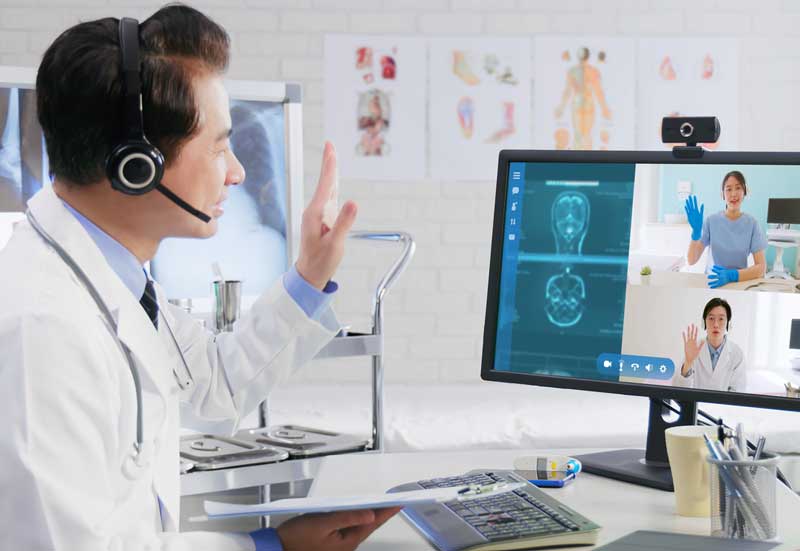
Given the increasing prevalence of telehealth services, VMAs are anticipated to play a role in virtual consultations. They can help manage appointments, gather data, and deliver real-time assistance during consultations.
Incorporating Virtual Medical Assistants (VMAs) with gadgets is a development. Wearable devices can gather accurate, real-time health information, which VMAs can evaluate to offer tailored health suggestions and notifications to patients and healthcare providers.
Future improvements in VMA technology will concentrate on elevating patient engagement. This involves functionalities that enable patients to access materials, engage in health initiatives, and interact more efficiently with healthcare professionals.
DocVA Virtual Medical Assistants are transforming the healthcare sector by simplifying duties, improving patient care, and cutting down expenses. Their capacity to enhance accessibility, personalize treatment, and deliver quicker responses positions them as indispensable tools for healthcare providers.
Despite the obstacles encountered in implementing VMAs, the advantages surpass the challenges. Real-life instances highlight their efficacy across healthcare environments, while upcoming trends indicate more prospects for enhancing healthcare provision.
Consider delving into virtual medical assistants (VMAs) to enhance effectiveness and patient care standards. The future of healthcare is unfolding before us, and VMAs are leading this transformation. Explore the possibilities of integrating VMAs into your practice and become part of the expanding group of healthcare providers enjoying these advantages.
To learn more and begin using VMAs, please visit our website to explore how you can enhance your practice starting today.